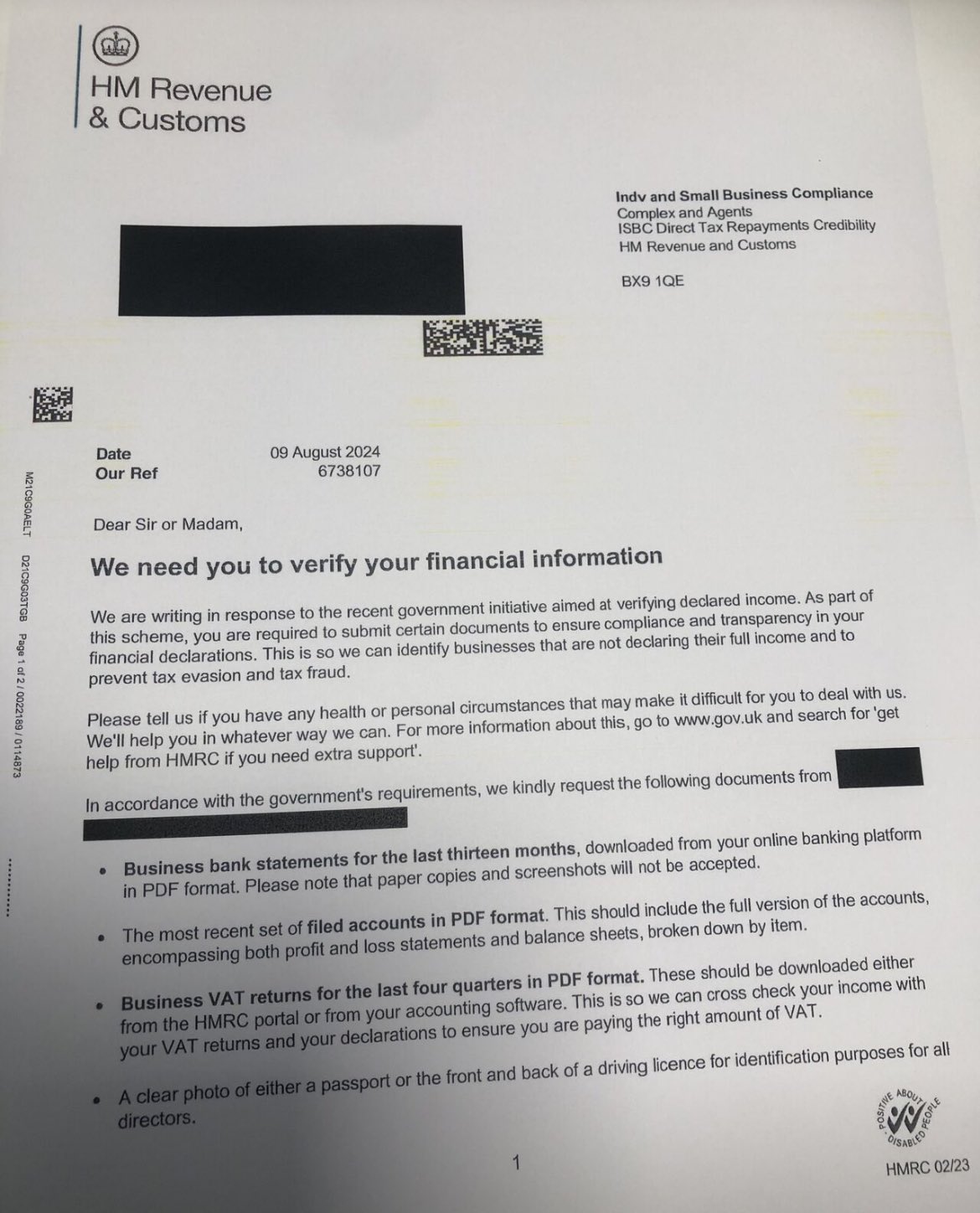
HMRC asked that we share the following information to advise you of the correct measures to takes, should you have any further concerns or incidents.
“Criminals are great pretenders. They use various methods to try and dupe citizens, and often mimic government messages to make them appear authentic.
Tax scams come in many forms. Some offer a rebate, others tell you that your tax details are out of date, or threaten immediate arrest for tax evasion. Never let yourself be rushed. If someone contacts you saying they’re HMRC, wanting you to urgently transfer money or give personal information, be on your guard. We will also never ring up threatening arrest. Only criminals do that.
Unexpected contacts like these should set alarm bells ringing, so take your time and check HMRC scams advice on GOV.UK.”
Background
- For more advice on how to stay safe online, visit the new Home Office ‘Stop! Think Fraud’ website.
HMRC’s Advice
Protect
- Criminals are cunning – protect your information.
- Take a moment to think before parting with your money or information.
- Use strong and different passwords on all your accounts so criminals are less able to target you.
Recognise
- If a phone call, text, letter or email is suspicious or unexpected, don’t give out private information or reply, and don’t download attachments or click on links.
- Check on GOV.UK that the contact is genuinely from HMRC.
- Do not trust caller ID on phones. Numbers can be spoofed.
Report
- If you’re unsure about a text claiming to be from HMRC forward it to 60599, or report a letter or email to phishing@hmrc.gov.uk. Report a tax scam phone call on GOV.UK.
- Contact your bank immediately if you’ve had money stolen, and report it to Action Fraud. In Scotland, contact the police on 101.
- By reporting phishing emails, you help stop criminal activity and prevent other people falling victim.